The pbks vs kkr playoff story changed completely once Rajasthan Royals beat Mumbai Indians by 30 runs and secured the final IPL 2026 playoff spot. That result pushed both Punjab Kings and Kolkata Knight Riders out of the qualification picture, even before KKR could turn their last league game into a meaningful rescue act.
For fans, यह सिर्फ एक मैच का नतीजा नहीं था — it was the moment when a complex qualification race became simple. RR moved to 16 points, PBKS were left behind on 15, and KKR could no longer reach the playoff line because their maximum possible finish was also 15. The race that once involved RR, PBKS, KKR, DC and CSK ended with Rajasthan taking control at the last serious checkpoint.
Why PBKS vs KKR Became the Key Playoff Conversation
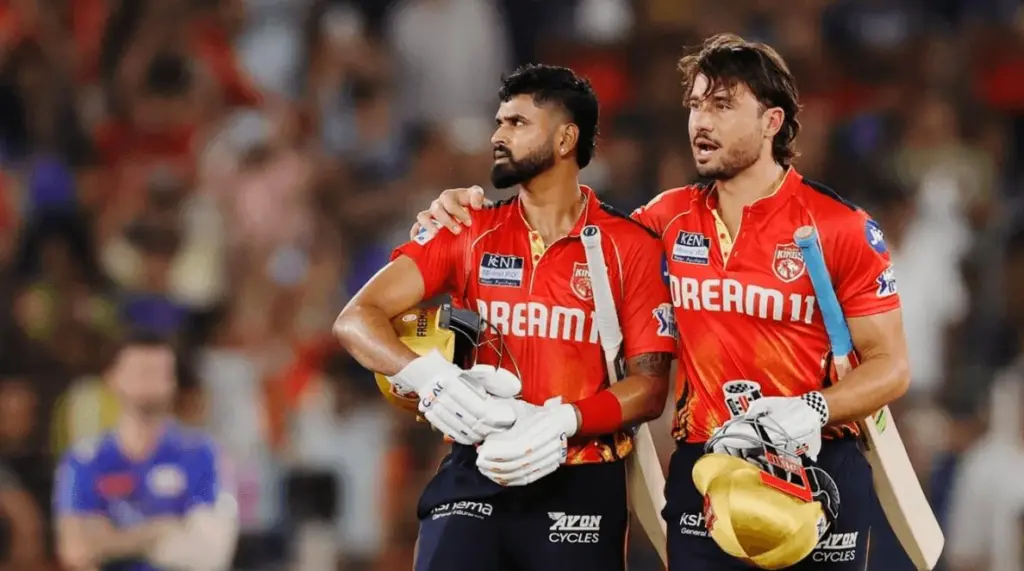
The original playoff equation looked open because several teams were still alive mathematically. Punjab Kings had a realistic chance, KKR had an outside route, and Rajasthan Royals still needed to handle pressure against Mumbai Indians. That is why pbks vs kkr became the centre of fan debate: both teams were not only chasing their own wins, but also waiting for other results.
PBKS were slightly better placed than KKR because they had already reached 15 points. Their problem was that 15 was not enough if Rajasthan crossed the 16-point mark. KKR’s case was even tighter. They needed a win against Delhi Capitals, but that win only mattered if RR failed against MI.
In practical terms, PBKS and KKR were not in a direct knockout against each other. But their playoff hopes were linked. If RR had lost, then the comparison between Punjab Kings and Kolkata Knight Riders would have become important through points and net run rate. Once RR won, that comparison lost its playoff value.
Rajasthan Royals Removed the Last Opening
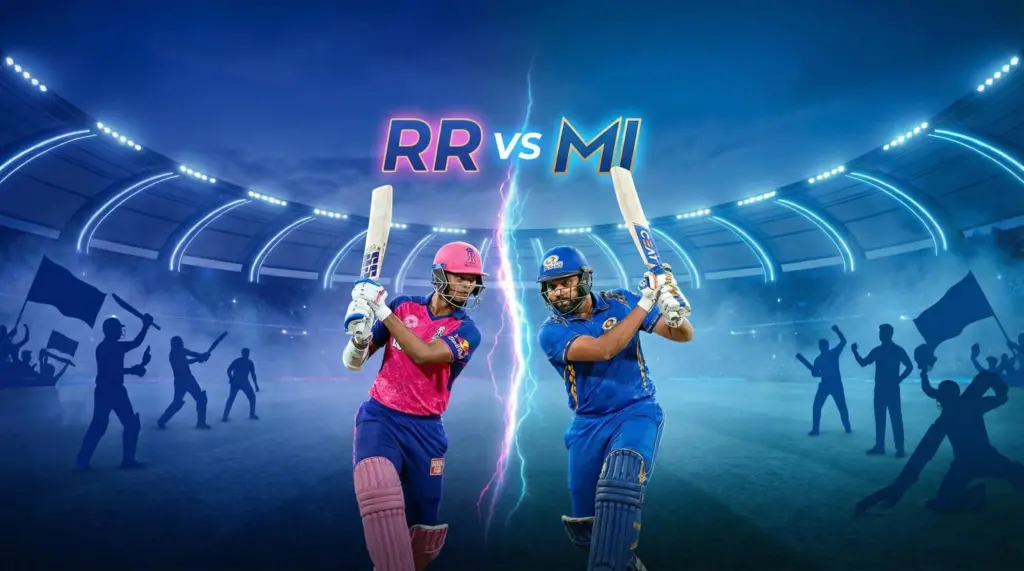
Rajasthan Royals did exactly what chasing teams fear: they won the match that they could not afford to lose. Their 205/8 against Mumbai Indians gave them scoreboard pressure, and Mumbai’s chase stopped at 175/9. Jofra Archer became the decisive figure with 32 runs from 15 balls and bowling figures of 3/17.
That result mattered more than just one win. It closed the door. RR reached 16 points and sealed fourth place, joining Royal Challengers Bengaluru, Gujarat Titans and Sunrisers Hyderabad in the playoffs. Rajasthan also set up an Eliminator against SRH.
For Punjab Kings, this was brutal because they were still close enough to feel alive. For KKR, it was worse: even a final win could no longer lift them above Rajasthan. Cricket fans often say “जब तक आखिरी गेंद बाकी है, उम्मीद बाकी है,” but table mathematics does not always allow that romance.
What Went Wrong for Punjab Kings
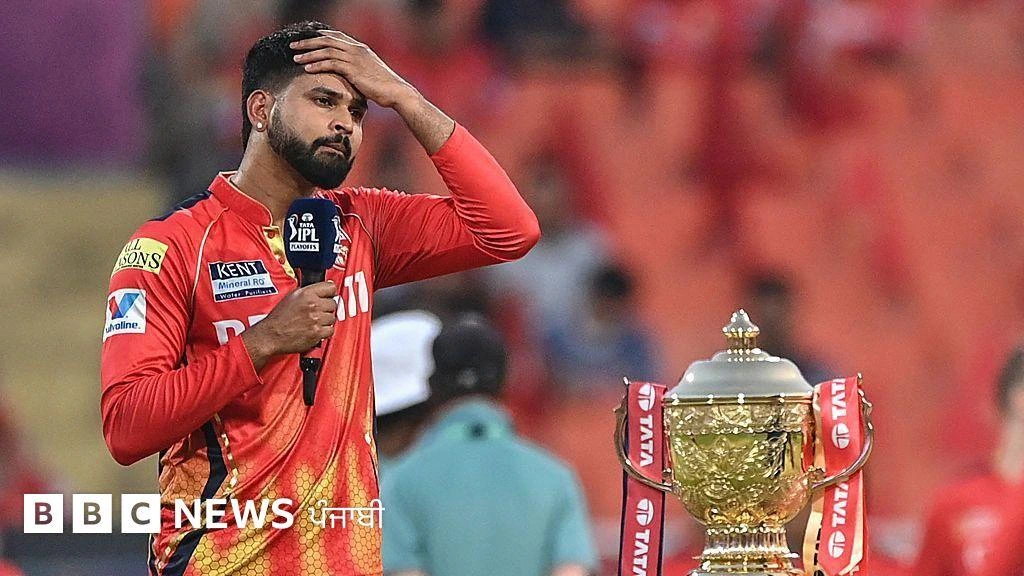
Punjab Kings were not eliminated because of one single failure. Their problem was the lost control over their own path. By the final stage, PBKS needed results elsewhere to stay alive. That is always dangerous in a league table.
Their 15-point finish was competitive, but not safe. In a season where the fourth playoff spot eventually needed 16 points, PBKS were one result short. The difference between qualification and elimination was not a huge gap in quality; it was one missed win, one poor phase, or one match where the finishing calculation did not work.
The bigger lesson for Punjab Kings is simple: a team cannot depend on late favours from MI, DC, LSG or any other side. Punjab had moments of promise, but they did not create enough separation when the middle-table race was still open.
For PBKS supporters, the frustration is understandable. The side stayed in the race longer than several rivals, but when the table hardened, they were stuck just below the line.
Why KKR’s Route Was Even Narrower
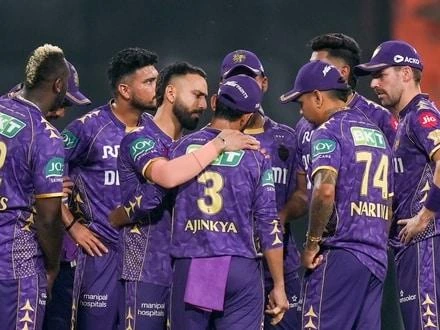
Kolkata Knight Riders entered the final stretch with a more complicated equation. KKR needed to beat Delhi Capitals, but they also needed Rajasthan to lose. That meant their playoff chance was partly outside their own dressing room.
This is the uncomfortable part of late-season qualification battles. A team can prepare well, win its last match, and still be eliminated because another result has gone the wrong way. KKR were in exactly that position.
Once RR beat MI, KKR’s final match no longer had playoff value. It could still affect pride, rhythm and individual performances, but not qualification. KKR had a maximum ceiling of 15 points, and Rajasthan had already moved beyond that.
That is why KKR’s campaign will likely be reviewed through earlier missed chances. When a team reaches the final weekend needing multiple external results, the real damage usually happened before the final weekend.
PBKS vs CSK: Why Chennai Also Stayed Behind

The keyword pbks vs csk fits this playoff race because Chennai Super Kings were also part of the earlier mathematical picture. CSK needed several results to fall perfectly: their own win, PBKS dropping points, RR losing, and other combinations going their way.
But this was always the most fragile route. CSK were not simply chasing one rival. They were chasing a chain reaction. Once RR won, Chennai’s outside chance became irrelevant, just like PBKS and KKR’s.
Compared with PBKS, CSK’s path was more complicated because Punjab at least had a cleaner points route before Rajasthan’s win. Compared with KKR, Chennai needed even more help. In Hindi fan language, CSK का रास्ता “कागज़ पर possible, मैदान पर बहुत मुश्किल” था.
The Final Playoff Picture
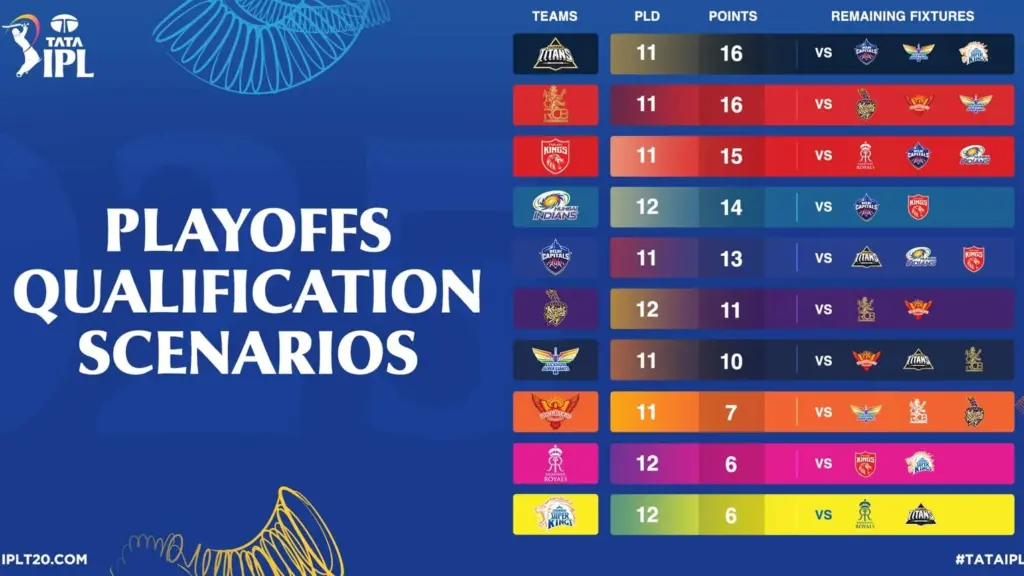
After Rajasthan’s win, the playoff structure became clear. RCB, GT, SRH and RR advanced, while PBKS, KKR, DC, CSK, MI and LSG were left outside the top four. The key change was not a complicated net run rate swing; it was Rajasthan getting the clean win they needed.
The playoff race can be understood like this:
| Team | Final Situation | What It Meant |
| Rajasthan Royals | Qualified on 16 points | Took the final playoff spot |
| Punjab Kings | Finished behind RR | 15 points were not enough |
| Kolkata Knight Riders | Could not pass RR | Final match lost playoff value |
| Chennai Super Kings | Needed too many results | Scenario collapsed after RR win |
| Delhi Capitals | Mathematically weak path | Could not influence the top four enough |
The table explains why the race felt dramatic but ended sharply. Before RR vs MI, multiple fanbases had calculators open. After RR vs MI, the equation disappeared.
What PBKS and KKR Should Take From This Season
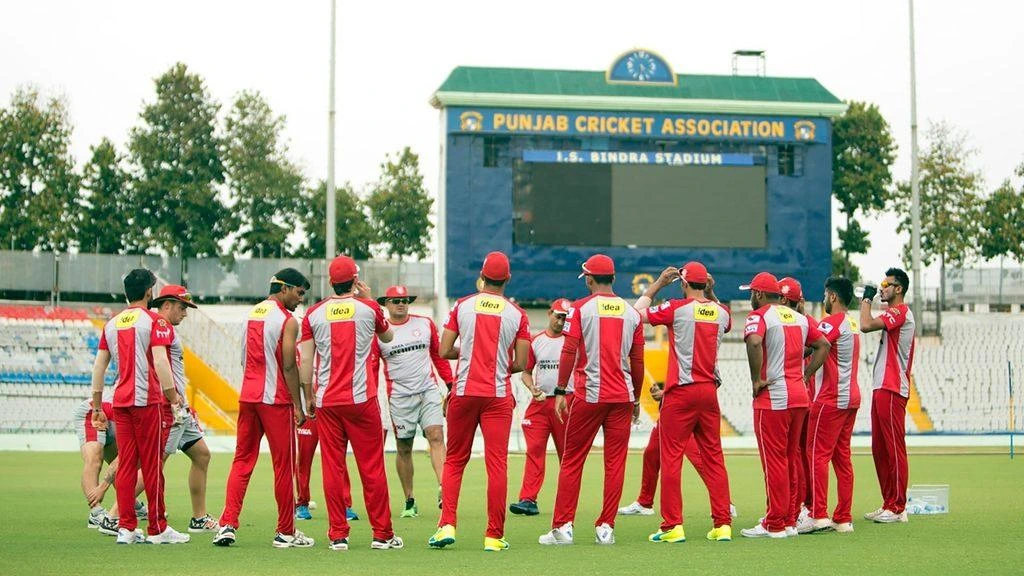
Punjab Kings should look at this campaign as a near miss, not a complete collapse. They were close enough to make the final race meaningful, but not strong enough to control qualification. The next step is turning competitive phases into table security earlier in the season.
KKR’s lesson is sharper. They cannot leave qualification dependent on another team’s result. A side with playoff ambition needs enough wins before the last two matches to avoid this kind of dependency.
For both teams, net run rate, middle-over control and closing discipline matter. But the bigger issue is timing. A win in April can become more valuable than a dramatic win in the last week if it removes the need for calculation later.
Why This Race Still Matters for Fans
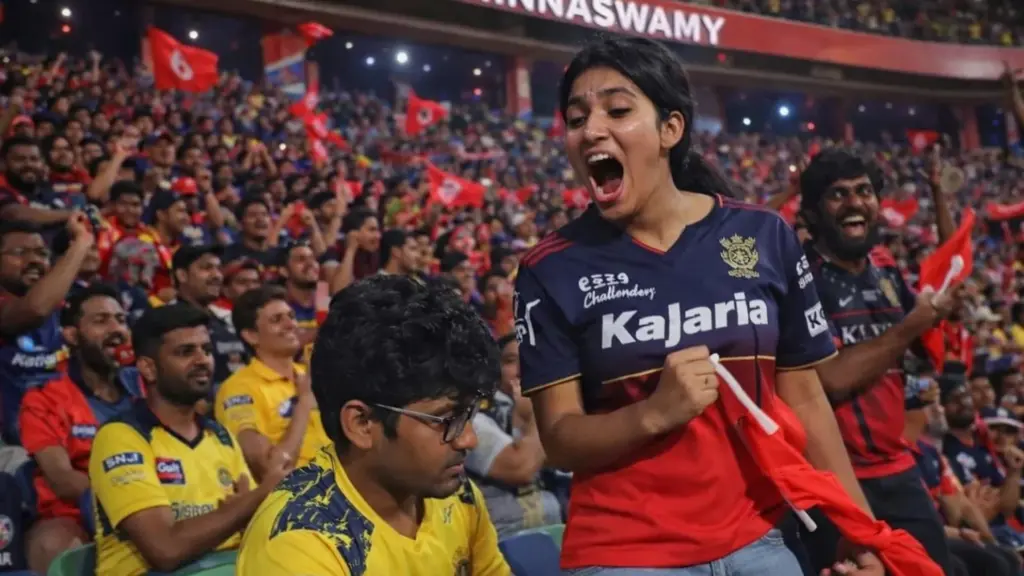
Even though PBKS and KKR are out, the race was still useful for understanding IPL pressure. It showed how one result can reshape five teams’ hopes. It also showed why late-season IPL cricket is rarely just about the two teams on the field.
For neutral viewers, RR’s win gave the league a clean playoff bracket. For Punjab Kings and Kolkata Knight Riders fans, it left the familiar feeling of “what if?” What if one earlier match had gone differently? What if RR had slipped? What if PBKS had found one more win?
That is the real story of pbks vs kkr in this playoff race. It was not a direct battle on the scorecard. It was a race against Rajasthan’s result, the points table, and the pressure of leaving qualification too late.