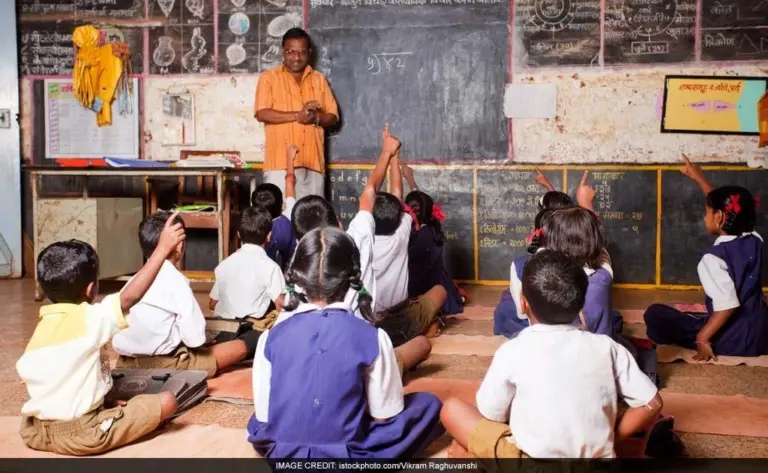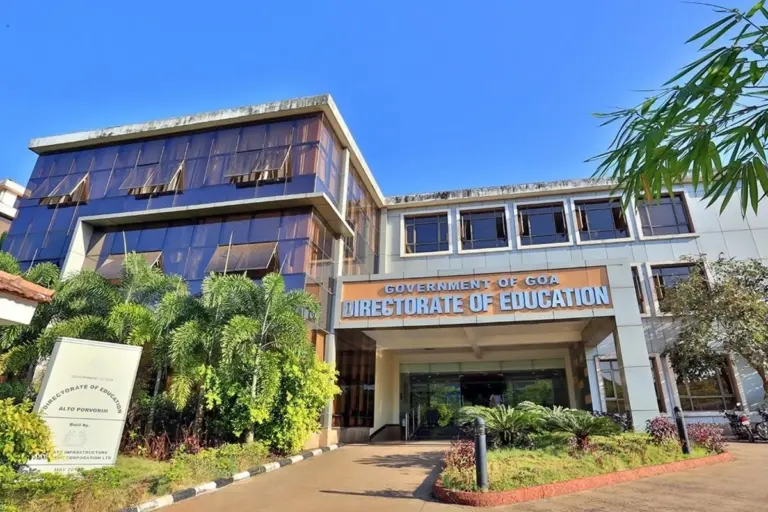
The Goa Samagra Shiksha Instructor recruitment notice was an old contractual hiring advertisement issued for sector-based Instructor posts in Government and Government-Aided schools across Goa. The notice invited applications for vocational and technical instructor roles on a contract basis, with a consolidated monthly salary and sector-specific qualifications.
This is not a fresh 2026 job alert. The source notice refers to applications due by 1 July 2019, with the shortlist for written test scheduled to appear on 4 July 2019. Candidates should treat this article as an archive-style explanation of the recruitment structure, not as an active application page.
What the Goa Samagra Shiksha Notice Covered
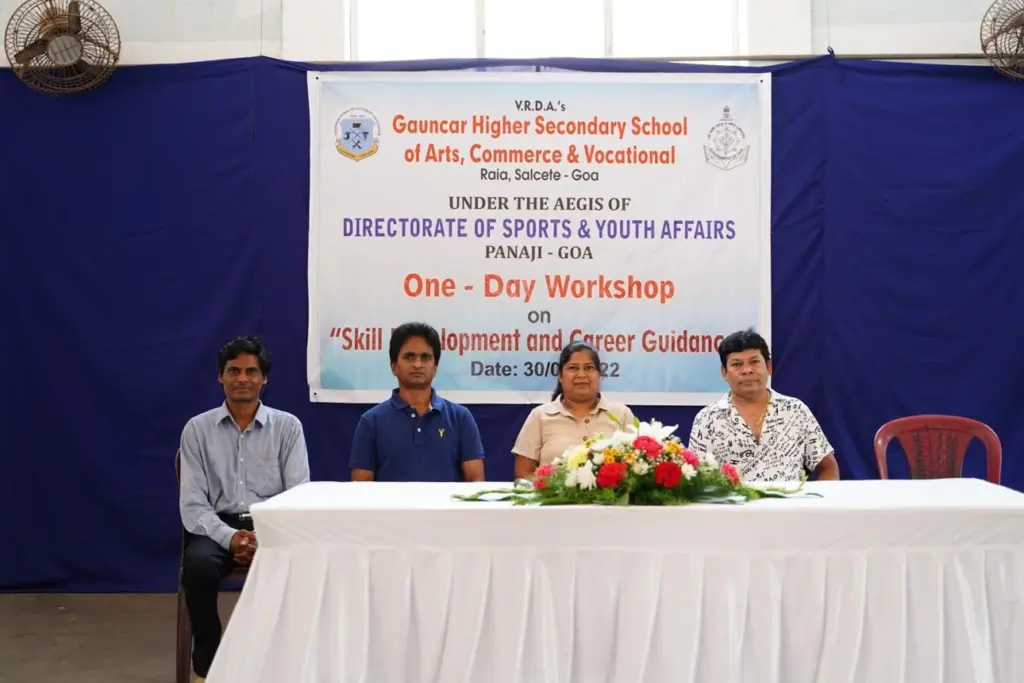
The advertisement came from Goa Samagra Shiksha, Government of Goa, Porvorim. It invited applications for Instructor posts in different skill and vocational sectors. These roles were connected with school-level vocational education rather than ordinary classroom teaching.
The notice made one point clear: appointments were contractual and linked to school enrolment. That means the final filling of posts depended on whether enough students were enrolled in the relevant sector at the school level.
This matters for candidates because a listed vacancy count does not always mean automatic appointment in every sector. The department could fill posts according to actual requirement, enrolment and administrative approval.
Total Posts and Reservation Breakup

The notice mentioned a total of 72 Instructor posts. The reservation table divided these posts across OBC, ST, PH and General categories.
| Category | Posts |
| OBC | 24 |
| ST | 12 |
| PH | 6 |
| General | 30 |
| Total | 72 |
For applicants, this meant category certificates were not optional if they were applying under a reserved category. The notice also warned that incomplete applications or applications without relevant certificates would be rejected.
A practical mistake in such recruitments is sending only the qualification certificate and forgetting residence proof, employment registration or category proof. In government-linked recruitment, documentation can decide whether the application even reaches the test stage.
Sectors Included in the Recruitment
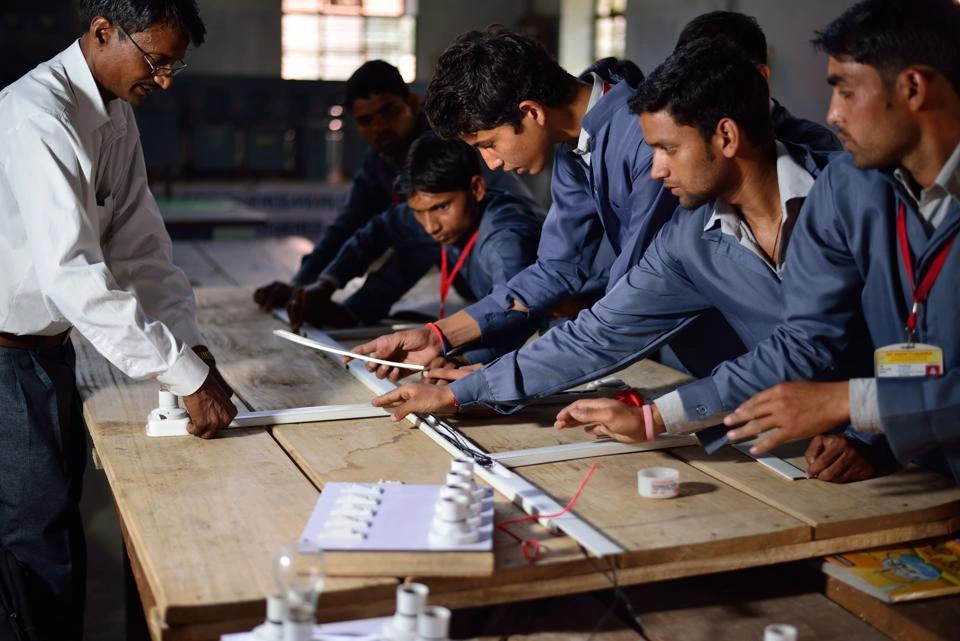
The Instructor posts were advertised across multiple vocational sectors. The scanned source contains some OCR distortion, but the main sectors and several post counts are readable.
The sectors included Apparel, Made-Ups and Home Furnishing, Automotive, Beauty and Wellness, Construction or Plumber, Electronics, Retail, IT-ITeS, Telecom System, Travel, Tourism and Hospitality, and other skill-linked areas such as horticulture, logistics and healthcare-related training.
Some visible post counts include 09 posts for Apparel, 03 for Automotive, 04 for Beauty and Wellness, 06 for Electronics, 08 for Retail, 04 for IT-ITeS, 04 for Telecom System and 09 for Travel, Tourism and Hospitality. Because parts of the original scan are damaged, candidates using the old notice for reference should verify exact sector-wise counts from the original document.
The variety of sectors shows the purpose of the recruitment. Goa Samagra Shiksha was not hiring one type of teacher. It was looking for instructors who could deliver vocational learning connected to industry skills.
Salary and Contract Nature

The consolidated salary mentioned for the Instructor post was ₹20,000 per month. The post was contractual, not a permanent government appointment.
That distinction is important. A consolidated salary usually means a fixed monthly payment without the full structure of a regular pay scale. Contract posts may also depend on the academic year, scheme continuation, student enrolment and department requirements.
For a candidate, the practical verdict is simple: this type of role can be useful for professionals who want school-based teaching exposure in a vocational sector, but it should not be read as a permanent teaching post unless a fresh notification clearly says so.
Common Competencies Required
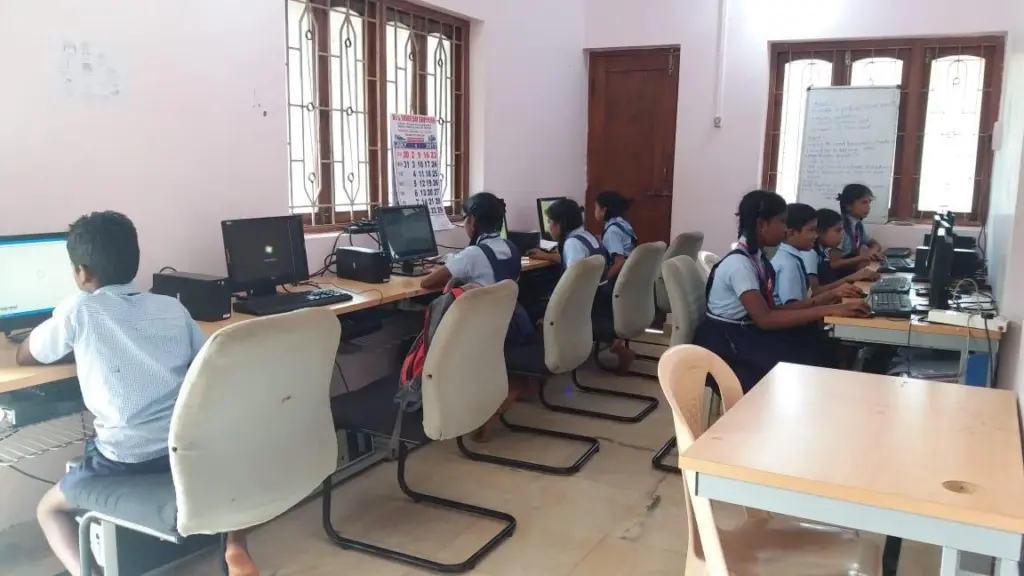
Across the notice, several competencies appeared repeatedly. The department expected instructors to have effective communication skills, basic computing ability and practical understanding of tools, equipment, materials, safety, health and hygiene.
These are not decorative requirements. A vocational instructor must explain practical tasks, manage classroom demonstrations, guide students through tools or sector-based activities, and maintain safety in a learning environment.
The notice also listed knowledge of Konkani as essential and knowledge of Marathi as desirable. For school-based roles in Goa, local language ability helps instructors communicate with students, staff and families more effectively.
Qualification Pattern by Sector
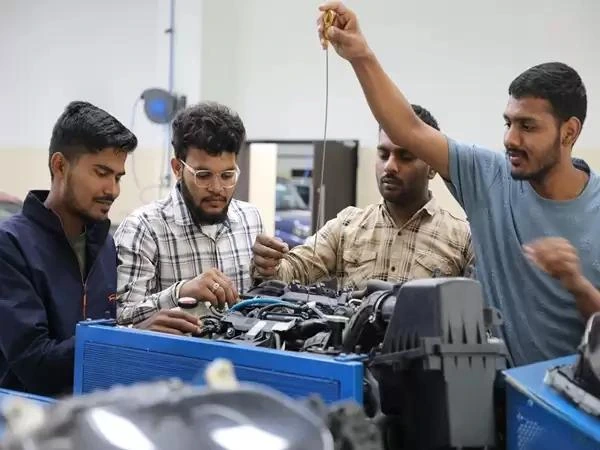
The qualification pattern varied sharply from sector to sector. This is why applicants could not treat the notice as one common eligibility rule for all posts.
For Apparel, Made-Ups and Home Furnishing, the source mentioned post-graduation in Textile and Clothing or a relevant area, along with at least one year of work or teaching experience.
For Automotive, a degree in Automobile Engineering from a recognised institute or university was mentioned, with at least one year of work or teaching experience.
For Beauty and Wellness, the requirement was a diploma in Cosmetology, Beauty Therapy or Beauty Culture from a recognised institution, along with at least one year of relevant work or teaching experience.
For Construction or Plumber-related instruction, the notice referred to B.Tech in Civil Engineering with at least one year of work or teaching experience, or a diploma in Civil Engineering with two years of work or teaching experience.
This pattern shows that the department was looking for instructors with both qualification and practical exposure. A degree alone was not always enough; industry or teaching experience mattered.
Technical and Service Sector Roles

The Electronics, IT-ITeS and Telecom System sectors had more technical requirements. The notice included qualifications such as B.E., B.Tech, diploma-level technical education, computer science, information technology, electronics, communication, MCA, M.Sc. Computer Science, DOEACC B Level certificate and related technical credentials.
For some technical roles, additional qualifications such as CCNA, computer hardware maintenance or control panel wiring were mentioned as recommended or relevant. This suggests the roles were connected with hands-on technical training, not just theory.
Retail required a graduate or diploma background in Retail Management, PG Diploma in Marketing, and relevant work or teaching experience. Preference was mentioned for higher education such as MBA in Retail Marketing or PG Diploma in Retail Management.
Travel, Tourism and Hospitality had one of the broadest qualification routes. The notice referred to hotel management, housekeeping, food and beverage service, travel and tourism management, tourism and hospitality, and professional experience in the hotel or tourism industry.
For these sectors, the best candidate would be someone who could connect classroom learning with real workplace situations: store operations, hotel housekeeping, travel service, customer handling, equipment use, hygiene and safety.
Application Process and Required Documents

The notice required applications to be submitted on plain paper with one passport-size photograph. Applications had to be supported by self-attested certificates.
The documents included proof of birth date, valid 15-year residence certificate from competent authorities, educational qualification, relevant experience, valid employment registration, caste certificate or disability certificate where applicable, and achievements in sports or extra-curricular activities if any.
Applications had to reach the Goa Samagra Shiksha Office by hand delivery only on or before 1 July 2019. This was a strict condition. If a notice says hand delivery only, sending by post or email may not satisfy the requirement.
Candidates applying for more than one sector had to submit a separate application for each sector. This is a small but important rule. One combined application for multiple sectors could create confusion or rejection risk.
Written Test, Shortlisting and Placement
The list of candidates shortlisted for the written test was scheduled to be hosted on the Goa RMSA website on 4 July 2019. The notice did not describe the full test format in the provided source, but the shortlisting step confirms that application submission alone was not the final selection.
The vacancies were in Government and Government-Aided High Schools and Higher Secondary Schools. The notice also stated that the posts were transferable across Goa.
This means selected instructors could not assume they would be placed only near their home or preferred area. Transferability is a major practical condition. Before applying for such roles, candidates should consider travel, location flexibility and school allocation.
How Candidates Should Use This Old Notice Today

The 2019 Goa Samagra Shiksha Instructor recruitment notice is useful mainly as a reference. It shows how the department framed vocational instructor roles, what type of sectors were included, how salary was fixed, and what documents were expected.
But it should not be used as a current application guide. Dates, vacancies, sector requirements, salary and application method may change in future notifications.
Anyone interested in similar future Instructor posts should prepare early: keep educational certificates ready, collect work experience letters, update employment registration, maintain residence proof, and check whether the sector requires degree, diploma, postgraduate qualification or industry experience.
The main lesson is clear. Goa Samagra Shiksha Instructor recruitment was designed for sector-trained candidates who could bring practical vocational skills into schools. For future opportunities, the strongest applicants will be those who match the exact sector qualification, show relevant experience, and submit a complete application with every required certificate.